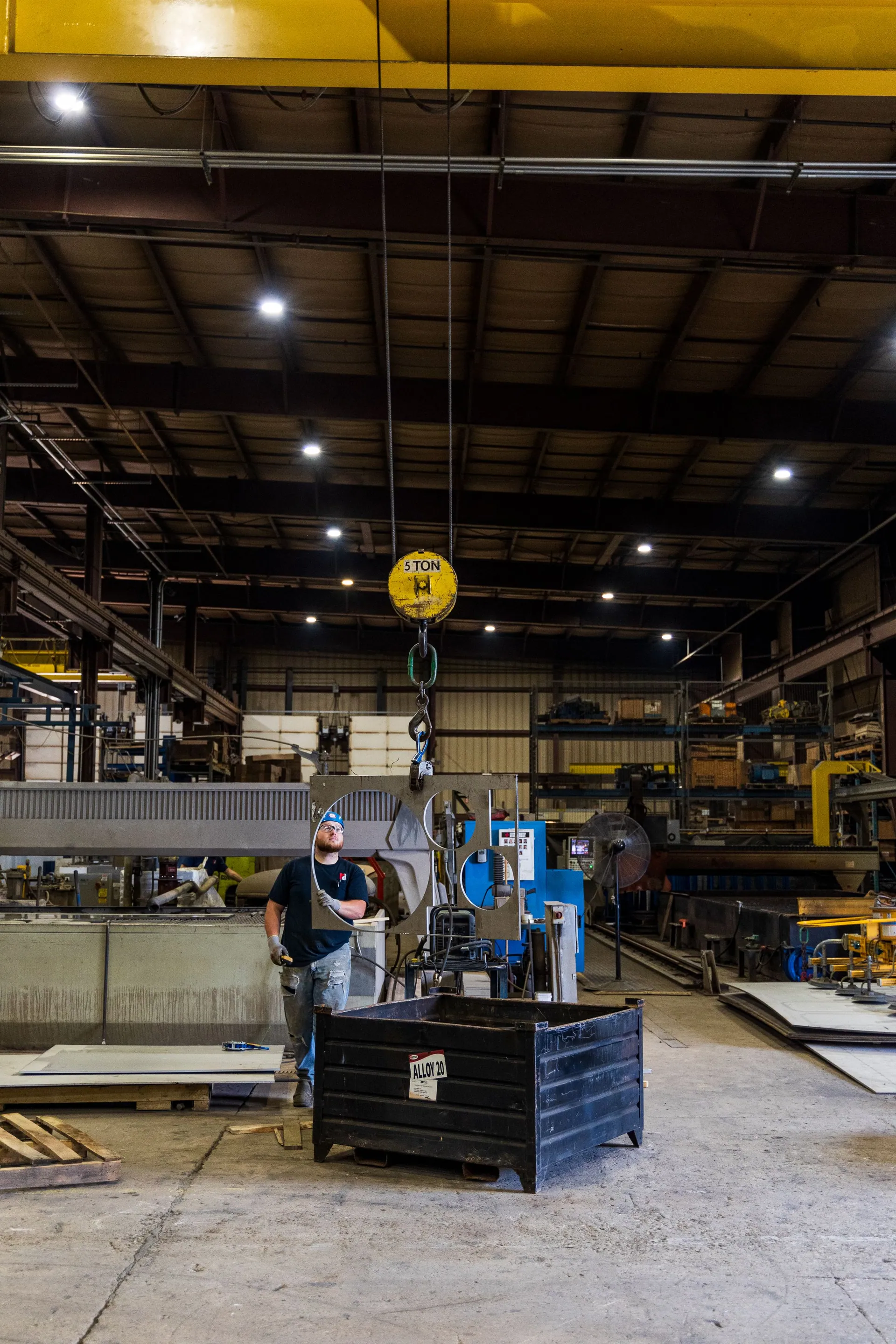
Connected shop floor data
Machine data, downtime, production batches, quality checks and reports centralized and continuously updated through the industrial gateway.
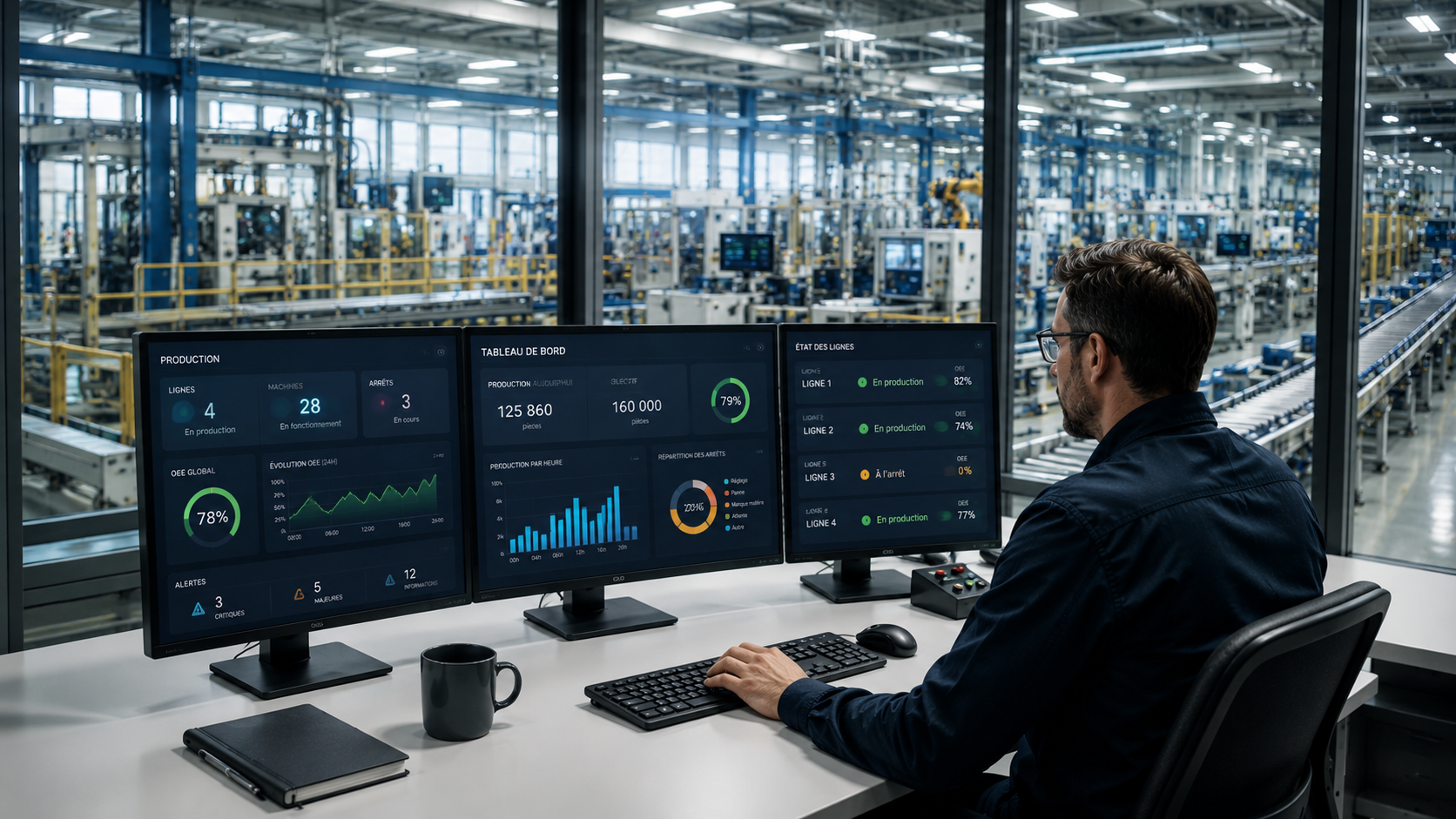
Industrial MES platform
IBRIXIO centralizes your production data so you can monitor OEE, downtime, campaigns, quality and traceability from one operational interface.
An industrial MES for production, quality, operations and plant management.
Why IBRIXIO
Connect machine data, structure production execution and give operations, maintenance and quality teams a shared real-time view of performance.
Machine data, downtime, production batches, quality checks and reports centralized and continuously updated through the industrial gateway.
Start on a representative pilot line, validate indicators with plant teams, then extend across the site.
An interface designed for operations, maintenance, quality and plant management, with no IT skills required on the shop floor.
Temporary network interruptions do not stop field collection; synchronization resumes when the connection returns.
The shop-floor reality
Production information is present on the shop floor, but it remains fragmented and difficult to trust.
PLCs, local systems and manual entries remain separated with no common operational view.
Reasons are often recorded after the event and are difficult to analyze consistently.
Batch history remains spread across paper and spreadsheets, slowing retrieval.
Manual reports consume management time and arrive after the decision point.
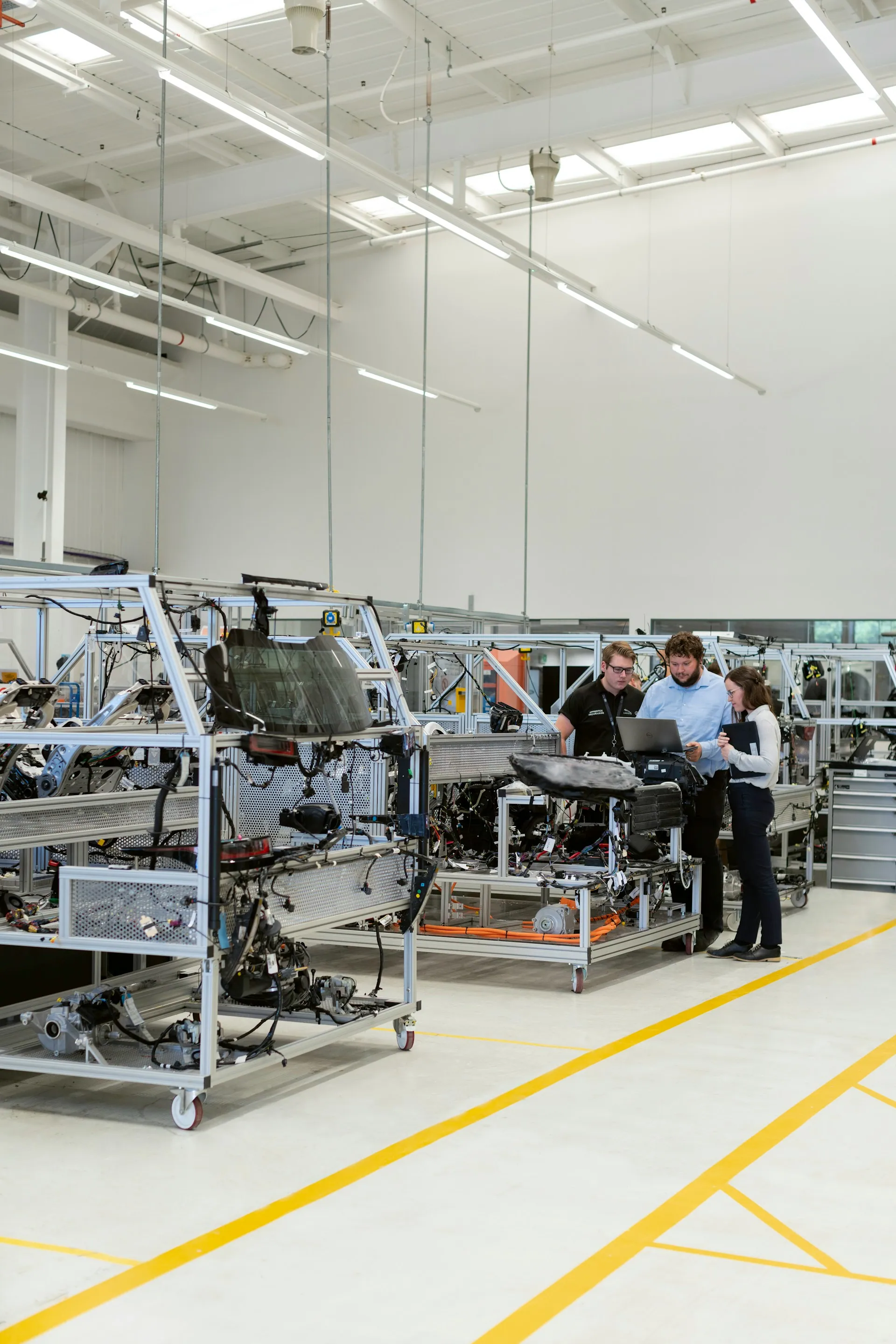
The MES platform
IBRIXIO brings production control, OEE, downtime, campaigns, batches, quality, alerts and reports into one operational interface.
Field connectivity
IBRIXIO centralizes production data from compatible equipment. Collection is designed to continue during temporary network interruptions and synchronize information when the connection returns.
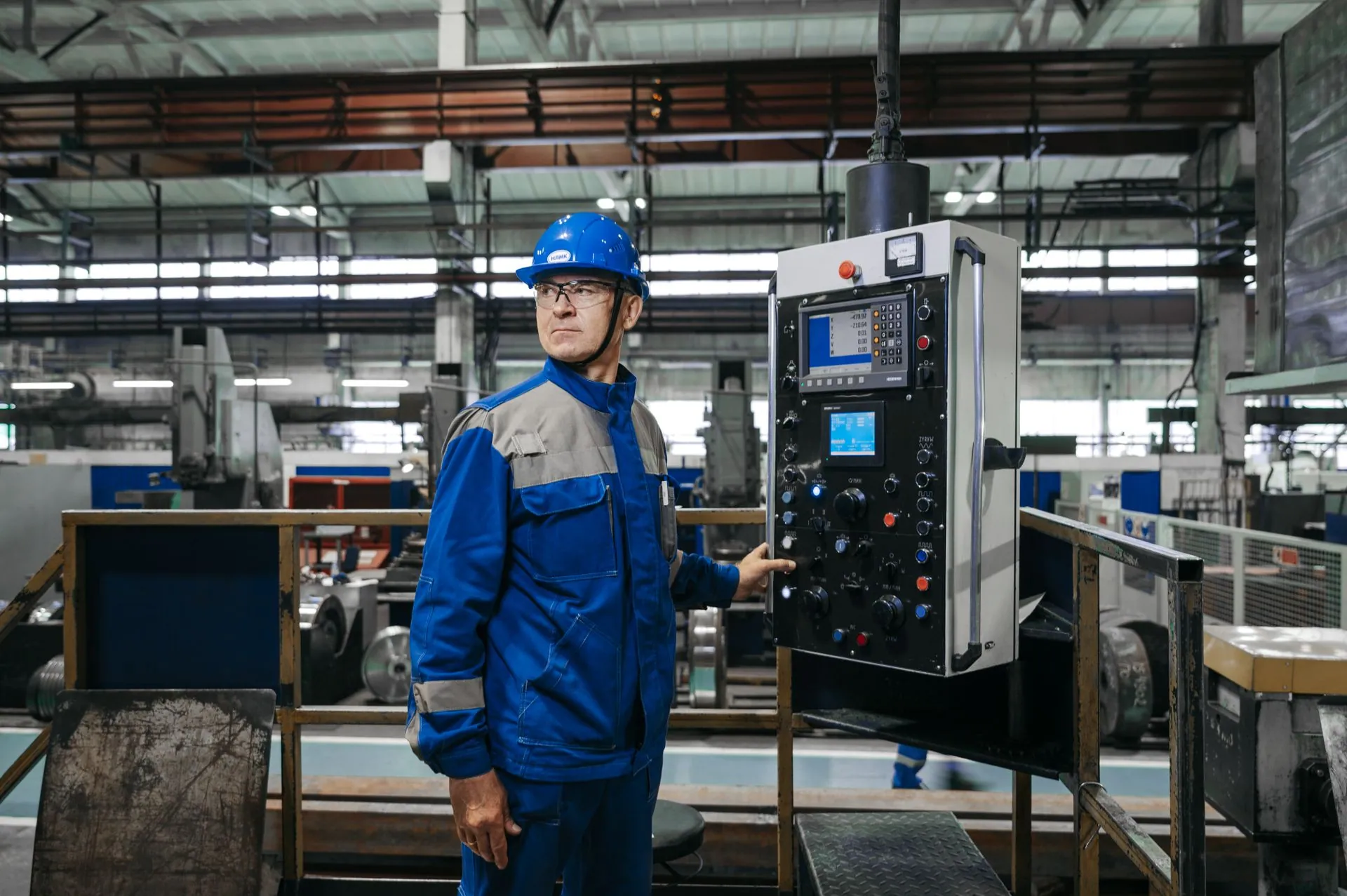
Shop-floor data chain
Step 1
Machines / PLCs
OPC UA · Modbus TCP
Step 2
IBRIXIO Gateway
Field collection
Step 3
MES platform
Production data structure
Step 4
Plant teams
Production control
Compatibility is assessed according to the equipment and the project context.
Modules
Clear modules aligned with the day-to-day work of production, maintenance and quality teams.
Field use cases
Operational scenarios supported by the current IBRIXIO MES scope.
Before / With IBRIXIO
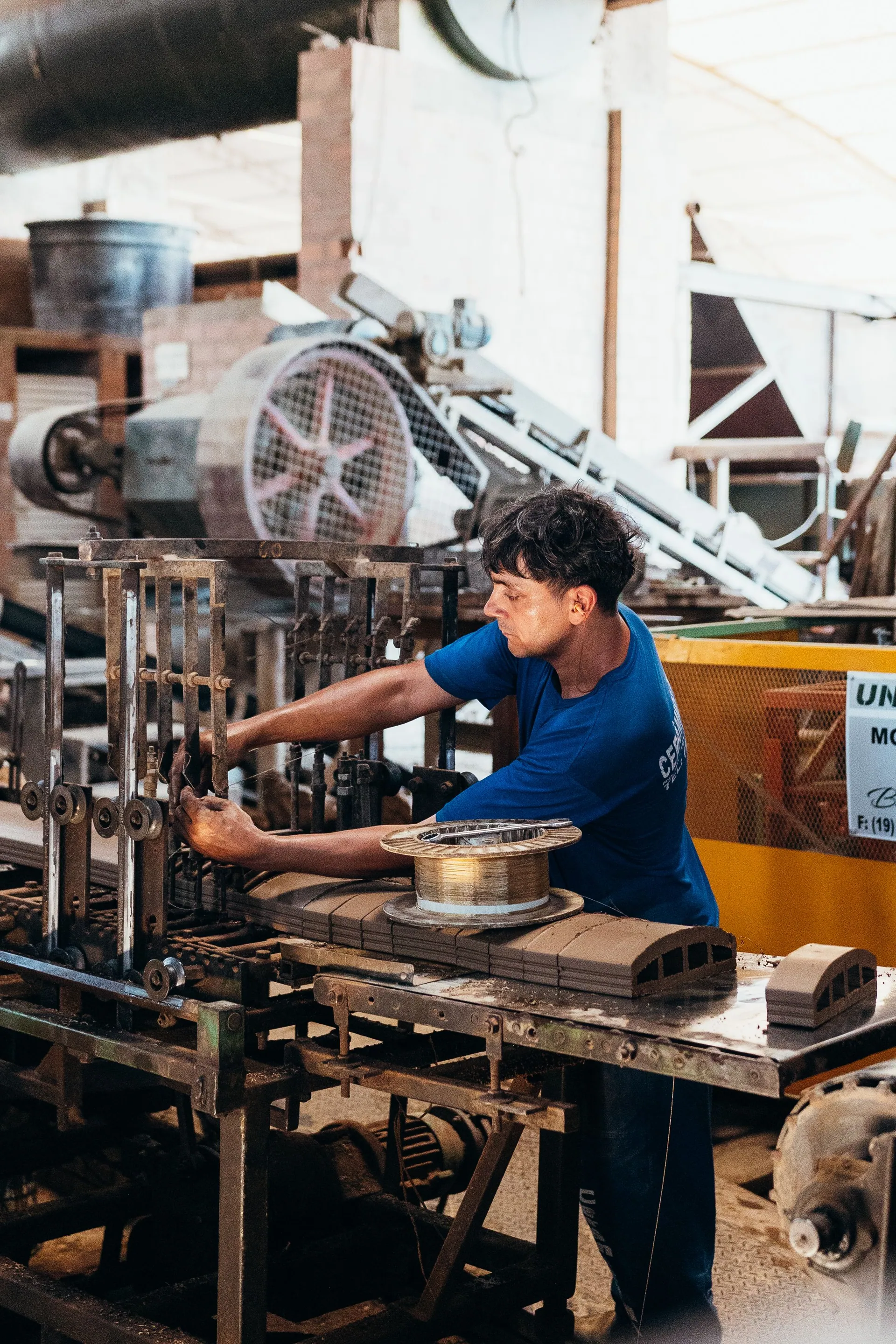
Connect · Structure · Control
Your production lines already generate data. IBRIXIO makes it operational.
Industries
The same operational foundation supports discrete and batch production across industrial SMEs.
For every team
Data health
IBRIXIO provides visibility into data freshness and helps identify equipment that is no longer reporting information correctly.
Fresh, observable production data strengthens confidence in the indicators used by plant teams.
The IBRIXIO field foundation
Useful resources
Short references to make shop floor data reliable before driving production performance.
Deployment
No big-bang project. Start small, validate on the shop floor, then extend.
Identify the data to make reliable and the hidden losses to track.
Pick a representative production line for a fast start.
Connect equipment and secure shop floor data collection.
Validate indicators against shop floor reality with plant teams.
Extend to other lines and to the rest of the site, step by step.
Frequently asked questions
A Manufacturing Execution System (MES) manages production execution on the shop floor. It connects machine data, structures downtime, production batches and quality checks, computes OEE and delivers reports to plant teams and management.
An ERP manages business processes (orders, stock, purchasing, finance). A MES manages production execution (machine data, downtime, OEE, batches, quality). The two systems are complementary and address different needs.
Through an industrial gateway installed close to the equipment. It reads PLCs via OPC UA or Modbus TCP, formats signals and synchronizes them to the platform over an authenticated channel.
IBRIXIO is designed to keep collecting field information during temporary network interruptions and synchronize it when connectivity returns.
OEE combines availability, performance and quality in a single comparable indicator. It surfaces hidden losses (micro-stops, slow downs, scrap) and supports objective comparison across lines, shifts and periods.
An unplanned stop without a recorded reason cannot be analyzed. Capturing standardized reasons at the source (categories, sub-reasons) allows losses to be cumulated by cause and structural actions to be prioritized instead of reacting case by case.
Yes. Deployment is progressive: start on a representative pilot line, validate indicators with plant teams, then extend across the site step by step.
Operators and production supervisors monitor production execution and declare downtime. Maintenance analyzes downtime causes and prioritizes interventions. Quality structures checks and prepares audits. Plant management drives OEE and overall performance.
Yes. IBRIXIO structures shop floor data (machines, downtime, production batches, quality and reports) in a coherent repository. This sound foundation can then support more advanced analysis without rebuilding from scattered spreadsheets.
Demo and contact
Request a demonstration or a scoped MES assessment to identify the production data and operational losses that matter for your plant.